

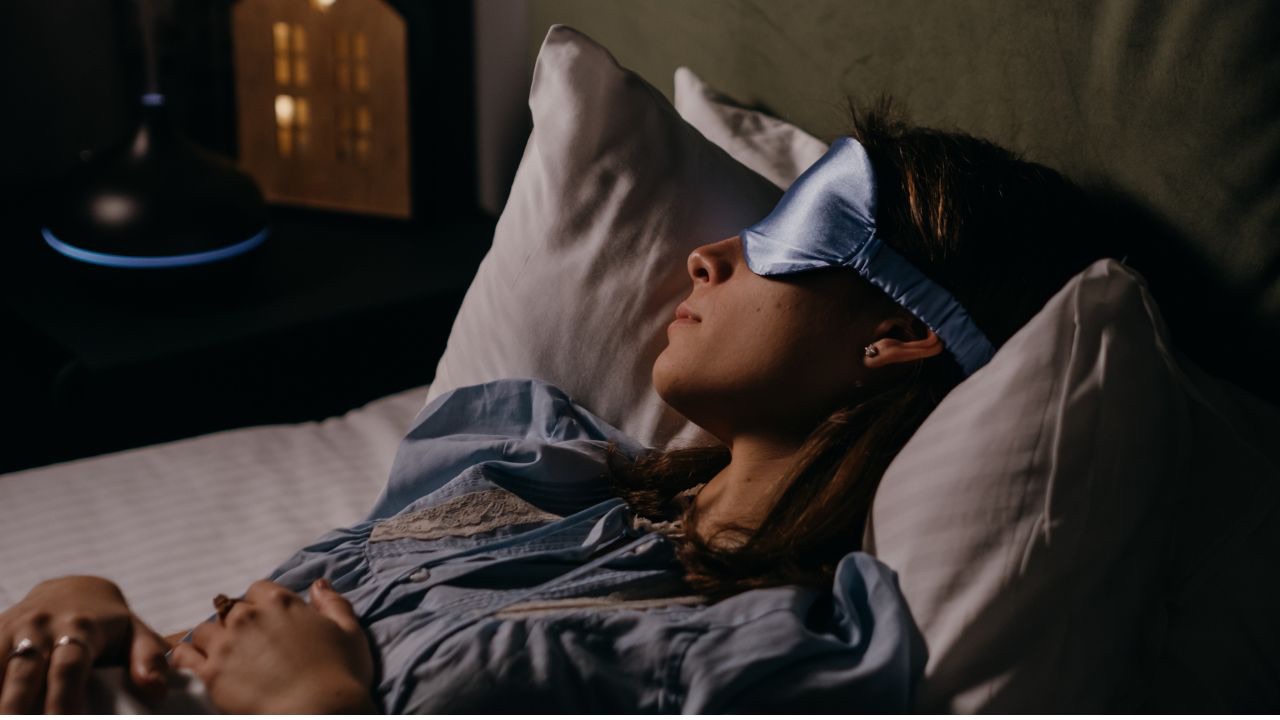
When I turned 50, I was in the thick of perimenopause, and sleep became a nightly struggle. Sometimes I couldn’t fall asleep at all; other nights, I’d wake up at 3 a.m. on the dot, unable to drift back to sleep. The effects were far-reaching: my mood suffered, my health felt off, and even my work performance took a hit. If you’re a woman in midlife experiencing similar sleep challenges, you’re not alone.
The Science Behind Midlife Sleep Struggles
Many women aged 40-70 struggle with sleep due to changes in hormones, particularly the decrease in estrogen and progesterone during perimenopause and menopause. These hormones play a role in regulating sleep cycles and managing body temperature, which can explain why hot flashes and night sweats often disrupt rest. Additionally, stress, caregiving responsibilities, and lifestyle factors can further compound sleep issues.
Lack of sleep doesn’t just make you feel groggy; it’s also linked to a host of health issues, including:
Weakened immune function
Increased risk of chronic conditions like heart disease and diabetes
Higher levels of anxiety and depression
Difficulty with focus, memory, and productivity
You’ve heard it before…getting quality sleep is critical for mental clarity, emotional resilience, and overall health—especially during this stage of life.
So What’s the Cure?
My Top 3 Sleep-Saving Strategies
Through trial and error, I discovered a few changes that have transformed my sleep:
1. A Cool, Dark Room: The magic temperature for me is 68 degrees, and my room needs to be completely dark. Sometimes, this means wearing a sleep mask to block out all light—even from electronics.
2. Balancing My Hormones: I’ll never forget the morning after I took progesterone for the first time. It reminded me of the morning after my first child slept through the night! I woke up thinking, “What happened? Did I really not wake up at 3 a.m.?”
3. Magnesium and Rested Gummies: Adding magnesium to my nightly routine made a noticeable difference in my ability to fall and stay asleep. More recently, I discovered Rested Gummies, and they’ve been like magic for those nights when I need extra support.
Other Sleep Tips That Make a Difference
Beyond my top three strategies, here are other tips that can help improve sleep:
Limit caffeine: Avoid caffeine after lunchtime, as it can disrupt your ability to fall asleep.
Reduce blue light exposure: Turn off screens (phones, tablets, TVs) at least an hour before bed. (I’m still working on this one!)
Limit sugar and alcohol: No one wants to hear it, but try it and see if it makes a difference for you.
Take a warm bath: This helps relax your muscles and lowers your core body temperature, signaling your body that it’s time to rest. There are even magnesium soaks that may help.
Establish a consistent bedtime routine: Going to bed and waking up at the same time every day helps regulate your body’s internal clock.
Morning light exposure: Spend 10 minutes outside in natural light first thing in the morning to support your circadian rhythm.
Practice relaxation techniques: Deep breathing, meditation, or gentle stretches before bed can calm your mind and prepare you for sleep.
Building a Sleep Sanctuary
Your bedroom environment plays a significant role in sleep quality. Here are some ways to make your space as restful as possible:
Invest in blackout curtains.
Use a white noise machine or fan to block out disruptive sounds.
Choose breathable, lightweight bedding to stay comfortable throughout the night. (I just bought some amazing sheets that are helping!)
Put a little fan beside the bed and turn it on when you wake up feeling like you’re on fire!
Final Thoughts
Sleep isn’t a luxury; it’s a necessity—especially in midlife. By experimenting with different strategies and creating a sleep-friendly environment, you can reclaim your nights and wake up feeling your best.
If you’re struggling with sleep, try incorporating one or two of these tips into your routine. And remember, small changes can lead to big improvements over time.